MLO Interiors and Map Builds
Interiors here are ordinary resources: a stream folder and an ensure line. Nothing replaces the base map, so a build with other map content already in it does not have to be unpicked first.
Scripts in this category
9 products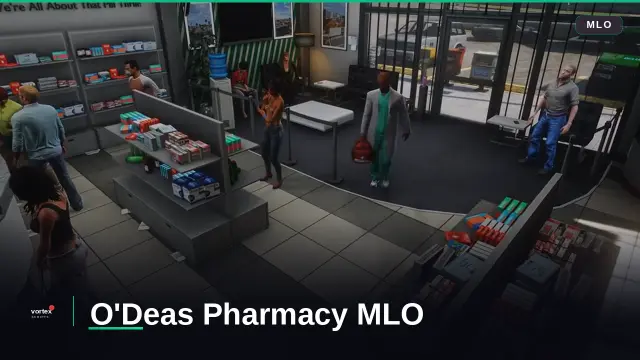
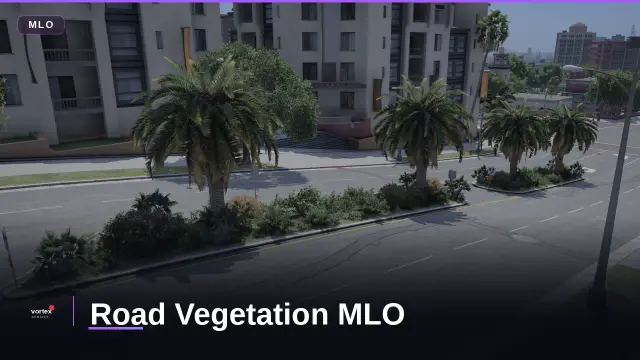
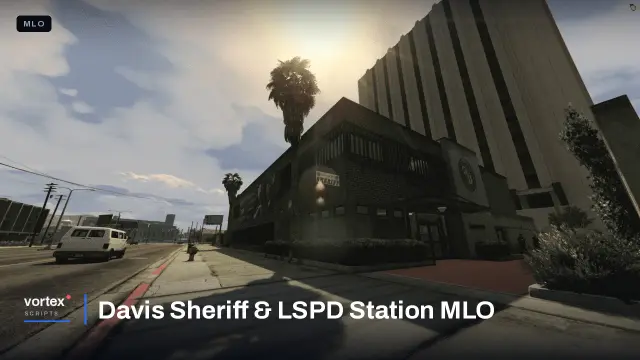
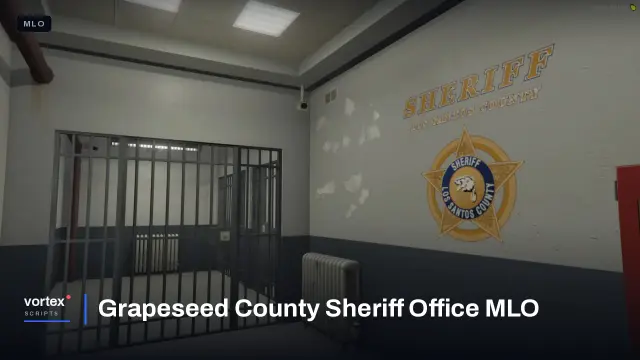

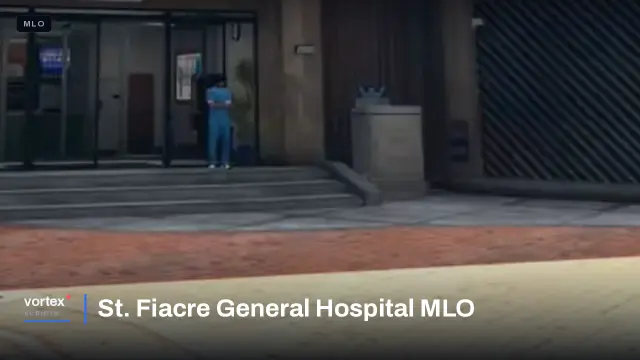
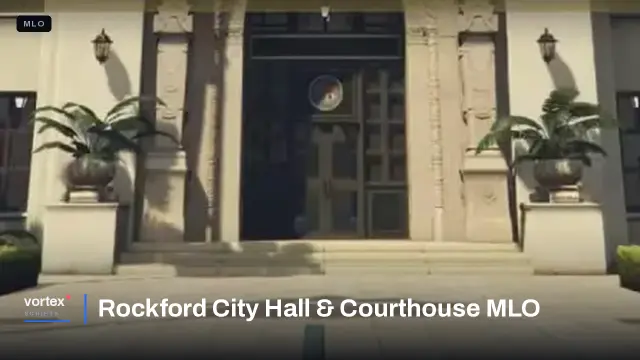
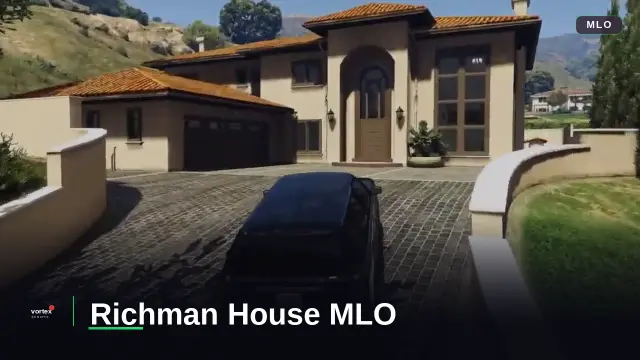

What an interior actually changes
A script gives players something to do. An MLO gives them somewhere to do it. Los Santos ships with a city full of buildings you cannot walk into, and every locked door is a scene that has to happen on the pavement instead. An interior turns one of those doors into a place with a purpose — a dealership floor, a pharmacy counter, a house somebody can own.
Performance is most of the decision
An interior that looks superb and costs fifteen frames is not a good interior. The maps here are built with sensible LODs, occlusion where it belongs, and texture budgets that do not assume every player is on new hardware. That matters most in the places crowds gather, which is exactly where interiors get placed.
Dropping one in
Every map here installs as an ordinary resource: add it, start it, restart. None require a base map replacement or a particular framework, so an interior can go into an ESX, QBCore or Qbox city without adaptation. Where a map replaces a stock building, the shell and collisions are handled so nobody falls through the floor at the threshold.
Building a city, not a collection
Interiors work best in clusters. A dealership is more useful next to a workshop; a pharmacy is more useful once your medics have a reason to visit it. The maps on this shelf are chosen to sit together in a working city rather than as one-off showpieces.